
Tires
Tire Tread Depth: The Legal Limit, the Coin Test, and When Driving Gets Risky
How to measure tread depth without tools, the legal minimum vs real-world safety, and wet-road wear effects.
The short version
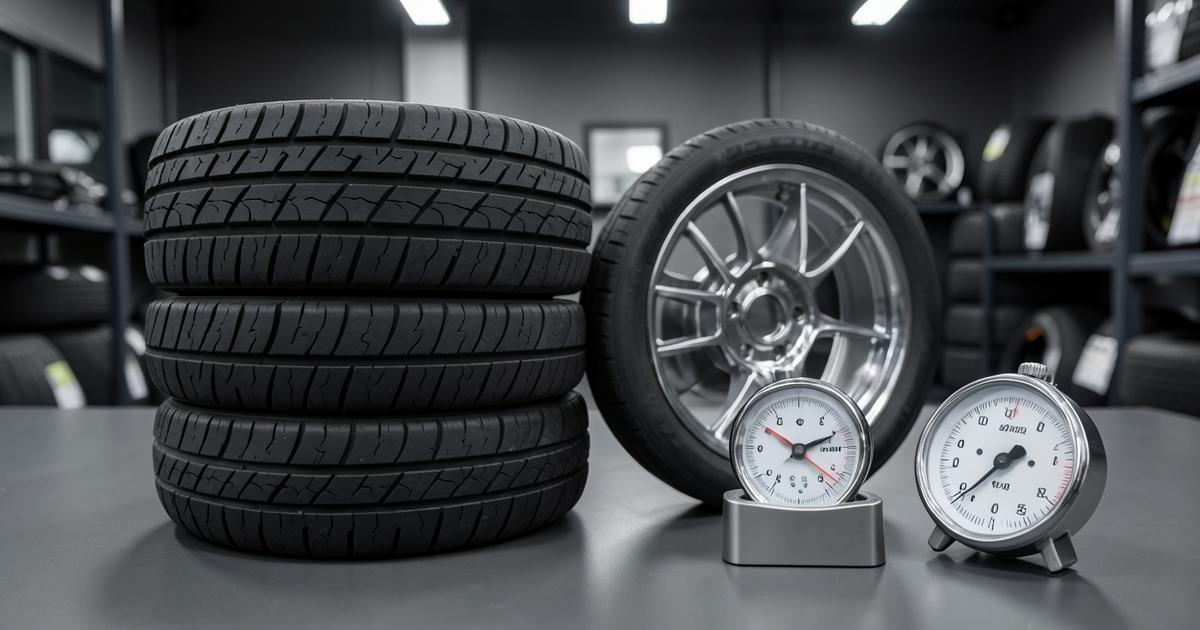
A tread depth gauge: $4-11, a tool that lasts years.
- 5 symptoms you can check yourself
- 5 diagnosis steps in order
- 4 FAQs answered directly
- Last editorial review: 2026-08-31 · 5 min read
The short answer
- Slight slip or sway in corners on wet roads even with calm driving
- Cumulative normal use after 40,000-70,000 km depending on tire type and driving style
- Coin test: insert a coin into a tread groove — if the top marking is fully visible, depth is roughly under 4 mm and warrants close monitoring
- 1.6 mm in most systems, measured at the tire's narrowest point, but it's an absolute legal safety floor, not an ideal performance benchmark.
Background
Tread depth is the first line of defense against hydroplaning — the shallower it gets, the less water a tire can channel away from the contact patch. Most jurisdictions set an absolute legal minimum of 1.6 mm, but real wet-road performance starts degrading noticeably around 3-4 mm, well before reaching that legal floor. Relying solely on the 'legal limit' is a common mistake; a legally compliant tire isn't necessarily safe in heavy rain or at highway speeds.
Numbers first: what you'll pay
A tread depth gauge: $4-11, a tool that lasts years. A single mid-range replacement tire: $65-160; a set of four: $270-650 including mounting and balancing.
Figures are a guidance range calculated with a published method — read the methodology.
Run your own estimateHow to spot it yourself
What actually causes it
- Cumulative normal use after 40,000-70,000 km depending on tire type and driving style
- Skipping periodic tire rotation, wearing one axle faster than the other
- Misaligned wheels accelerating wear on one edge of the tread
- Incorrect tire pressure for long periods (low or high) altering the wear pattern
Step-by-step inspection plan
- Coin test: insert a coin into a tread groove — if the top marking is fully visible, depth is roughly under 4 mm and warrants close monitoring
- Check the built-in rubber wear bars between grooves; if flush with the tread surface, the tire is at the legal minimum
- Measure with a cheap tread depth gauge at three points across the tire's width
- Compare wear between the inner and outer edges; a large gap points to an alignment issue, not normal wear
- Replace immediately at 1.6 mm or less, and seriously consider replacement at 3 mm if you drive a lot in rain
Prevention
Rotate tires every 8,000-10,000 km, keep the manufacturer-recommended pressure checked monthly, and get an alignment yearly or when fitting new tires to extend tread life evenly.
Quick answers
What's the legal minimum tread depth?
1.6 mm in most systems, measured at the tire's narrowest point, but it's an absolute legal safety floor, not an ideal performance benchmark.
Is 3 mm depth considered dangerous?
Not dangerous on dry roads, but water-clearing performance starts to degrade noticeably at this level, so if you drive a lot in rain, early replacement is advisable.
Do front tires wear faster than rears?
Often yes on front-wheel-drive cars due to carrying engine weight and steering loads, which is why periodic rotation is recommended to even out wear.
Can I rely on visual appearance instead of measuring?
Not recommended — the eye can be fooled, especially in poor lighting; a cheap gauge or the coin test is far more accurate and just as quick as guessing.
DriveMet review
A tread depth gauge: $4-11, a tool that lasts years. Rotate tires every 8,000-10,000 km, keep the manufacturer-recommended pressure checked monthly, and get an alignment yearly or when fitting new tires to extend tread life evenly.
What we verified
- Cross-checked 5 warning signs against 4 likely causes before publishing.
- Reviewed 5 repair steps and confirmed the order a shop would follow.
- Compared the cost range with our published methodology and refreshed it on 2026-08-31.
- Answered 4 questions people actually search for on this topic.
Reviewed by the DriveMet editorial team on 2026-08-31 under our editorial policy. This is an editorial review of the page, not visitor ratings.
Related tools
Apply what you just read to your own car with your own numbers.
Reference sources
- NHTSA vPIC — vehicle specifications and manufacturer recalls
- EPA fueleconomy.gov — reference fuel-economy figures
- SAE J1979 standard for generic (Pxxxx) fault-code definitions
Related articles
Search this site
Ready-made searches that surface the guides, calculators, and cost pages tied to this topic.
Helpful reads
- Uneven Tire Wear: Reading the Warning Before It Blows
- Tire Pressure in Extreme Heat: Why the Reading Climbs Even Without Adding Air
- Tire Age Cracking: Why Replace Them Even With Great Tread Left?
- TPMS Light On: Real Leak or a False Sensor Trigger?
- Tire Rotation Guide: Does the Pattern Differ for Front vs Rear-Wheel Drive?