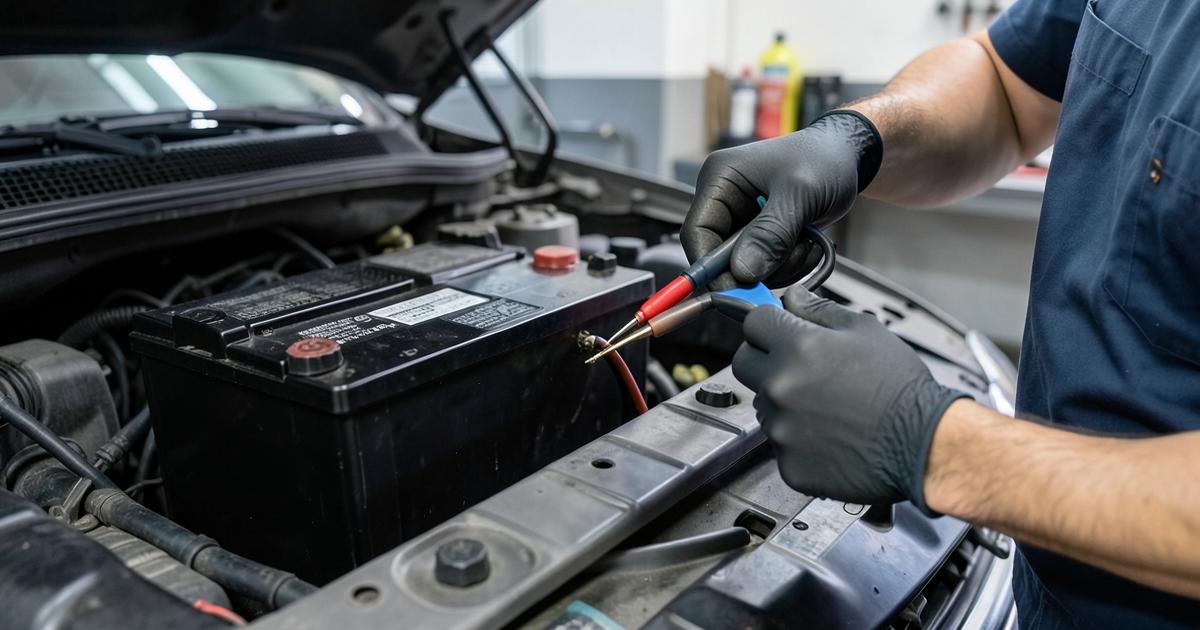
How the alternator replacement cost is calculated here
This page does not show a single number copied from somewhere else. The calculator starts from a base range for this exact job — $240 to $455 for a mid-size sedan at an independent shop — then multiplies it by four factors: vehicle class, shop type, fault severity and vehicle age. The output is a range, not one figure, because any honest shop quotes a range before it strips the car down.
Once the range is set, its midpoint is split 70% parts and 30% labour, which is the normal split for electrical work of this type. We also show the book time for the job, roughly 2.5 hours. Use that number to audit your invoice: if you are billed six hours for a 2.5-hour book job, that is a conversation worth having.
The age factor is not linear. A car three years old or newer carries a factor of 1.2 because it usually gets dealer parts at fixed prices; cars between four and eight years old are cheapest because aftermarket alternatives exist; past fifteen years the factor climbs again (1.2) as corrosion, seized fasteners and supporting parts that snap during the job add both time and cost. That is also why the range widens automatically with age.
Three realistic worked examples
The figures below come from the same calculator at the top of this page, with severity set to "moderate". They show how far the price of identical work moves when only the car and the shop change.
| Scenario | Expected range | Parts | Labour |
|---|
| 10-year-old sedan — independent shop | $215 — $515 | $255 | $110 |
| 5-year-old SUV — specialist shop | $375 — $905 | $450 | $190 |
| 2-year-old luxury car — dealership | $770 — $1,855 | $920 | $395 |
What each factor does to the price
The midpoint of the base range for this job is $345. The table shows how much each choice adds or removes from that figure before the other factors apply — which is exactly why quotes from shops in the same city differ so widely.
| Factor | Multiplier | Effect on midpoint |
|---|
| Sedan / economy | ×1 | $345 (0%) |
| SUV / pickup | ×1.35 | $470 (35%) |
| Luxury / performance | ×2.1 | $730 (110%) |
| Franchise dealership | ×1.45 | $505 (45%) |
| Specialist shop | ×1.1 | $380 (10%) |
| Local independent shop | ×0.85 | $295 (-15%) |
| Light — early symptoms | ×0.85 | $295 (-15%) |
| Moderate — clear and recurring | ×1 | $345 (0%) |
| Severe — full failure | ×1.3 | $450 (30%) |
When to repair and when to replace
Here the part is 70% of the bill, so the price is driven by hardware rather than hours. Partial repairs (rebuilds, internal fixes) rarely save more than a third, and you risk paying the labour twice if the repair fails. Practical rule: if a new part costs less than twice the partial repair, replacing is cheaper over a two-year horizon.
Because the job is short (about 2.5 hours), do not accept a bundled "package" you did not ask for; get the single line item priced first, then decide what to add.
Always ask for the old part back after a replacement. It is the simplest proof the work was actually done, and any reputable shop will hand it over.
What the estimate does not include
- Local taxes, shop fees and disposal charges for old parts and fluids.
- Extra work uncovered after disassembly, such as a snapped bolt or damaged housing.
- A courtesy car or a tow if the vehicle fails before it reaches the shop.
- Electronic programming or calibration some modern models require after replacement.
- Seasonal price swings on imported parts and shipping volatility.
How to get a fair quote
Take the range above and collect three written quotes that separate part from labour, state the part origin (OEM, aftermarket, inspected used) and give a warranty in distance, not just days. A quote far below the low end usually hides an unknown-origin part; one above the high end needs named extra work to justify it.
If a warning light is involved, read the fault code yourself first and compare it with the shop's diagnosis. Agreement between the two readings is the best assurance you are paying to fix the right fault.