
Electrical & battery
Airbag (SRS) Light On: Causes and Safe Diagnostic Steps
Causes of the SRS airbag warning light, related OBD codes, and how to safely diagnose the system without disabling it.
The short version
Replacing the steering clock spring costs $95-$240 (SAR 350-900) including parts and labor, while repairing a seat weight sensor circuit ranges $55-$160 (SAR 200-600).
- 5 symptoms you can check yourself
- 6 diagnosis steps in order
- 4 FAQs answered directly
- Last editorial review: 2026-08-31 · 8 min read
Why this happens
The SRS (Supplemental Restraint System) light monitors airbags, seatbelt pretensioners, and crash sensors. A steady or blinking light means the computer detected an electrical fault preventing guaranteed correct airbag deployment in a crash — making it one of the most dangerous lights to ignore, even though the car otherwise seems to drive normally. Common causes range from a worn steering clock spring to a front seat whose weight sensor wasn't reconnected properly after prior upholstery work.
Warning signs
- SRS light turns on at startup and doesn't switch off after a few seconds as usual
- Intermittent flashing of the light while driving with no obvious cause
- 'Passenger airbag off' message displayed despite someone sitting in the seat
- Difficulty or clicking noise when turning the steering wheel (indicating clock spring wear)
- Seatbelt pretensioner not functioning normally on sudden pull
The practical workshop procedure
Don't attempt to disassemble or tamper with the airbag module yourself; call a technician qualified specifically for SRS systems
Use an OBD tool that supports reading SRS codes (not just engine codes) to identify the affected circuit
Visually inspect the steering clock spring if the code points to the driver airbag circuit
Check the front seat weight sensor connections if the code relates to the passenger airbag
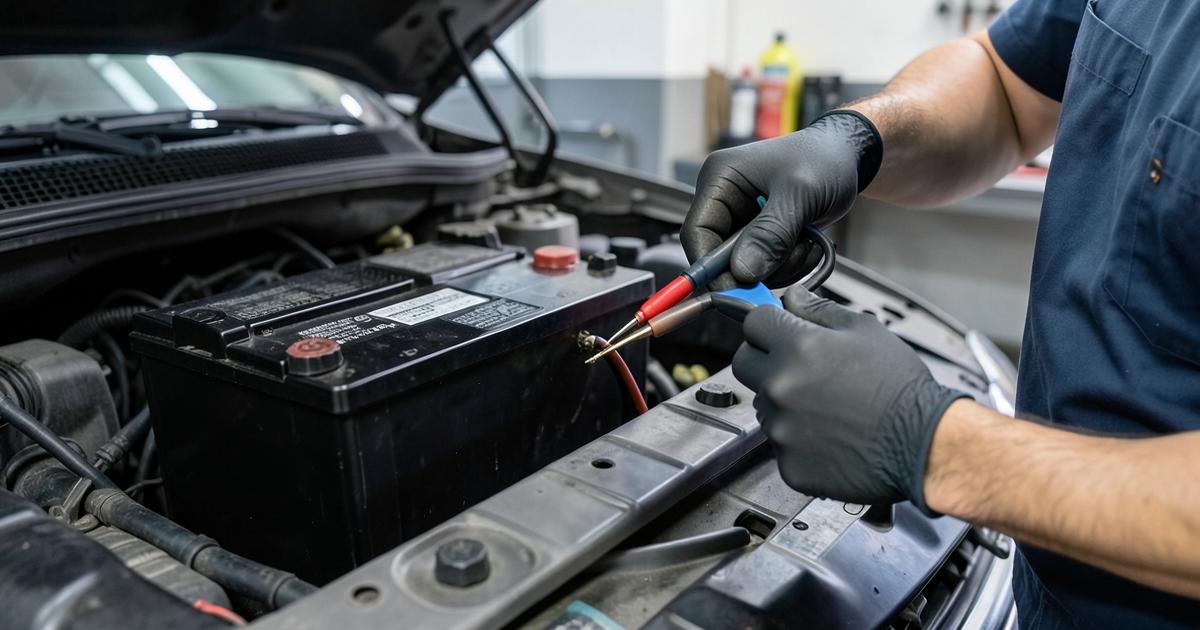
Check battery voltage and ground condition since low voltage can trigger false codes
After repair, clear the code using a tool dedicated to SRS only to avoid accidentally disabling the system
Components responsible
- Damaged steering clock spring that carries the signal to the driver's airbag through the steering column
- Front passenger seat weight sensor not properly connected after prior upholstery or cleaning work
- Corroded or loosened connector under the seat or behind the dashboard
- Very weak battery or momentary power interruption during engine start
- A prior minor accident where the sensor circuit wasn't fully repaired
Cost breakdown
Replacing the steering clock spring costs $95-$240 (SAR 350-900) including parts and labor, while repairing a seat weight sensor circuit ranges $55-$160 (SAR 200-600). If a full SRS control module needs replacement after an accident, cost can reach $530-$1,600 (SAR 2,000-6,000) depending on brand — this work should be done at a certified shop, not a general garage.
Figures are a guidance range calculated with a published method — read the methodology.
Run your own estimateQuestions owners ask
Can I drive if the SRS light stays on continuously?
You can drive, but with a real risk: airbags may not deploy in an actual crash, or may deploy unexpectedly, so get it inspected immediately at a qualified shop before any long trip.
Why does specifically the passenger airbag disable while the driver airbag still works?
Because each side has an independent sensing circuit, and the passenger seat weight sensor is very sensitive to seating posture and can automatically disable if the system thinks the seat is empty or weight is insufficient to trigger the airbag.
Can steam cleaning the seat cause this fault?
Yes, if water or steam seeps into the weight sensor connector under the seat, it can cause a short or corrosion leading to the SRS light coming on, so direct steam on electrical connection areas should be avoided.
Should I get the car checked if I bought it used and the SRS light is on?
Yes, urgently, since this could indicate an undisclosed prior accident or an incomplete safety system repair, and a comprehensive inspection is recommended before relying on the car daily.
Habits that keep it from returning
Avoid disassembling front seat upholstery yourself or at non-specialist shops since they contain sensitive weight sensors, always report any accident, however minor, so the SRS circuit gets fully inspected, and maintain good battery health since sudden voltage drops are a common cause of false codes.
DriveMet review
Replacing the steering clock spring costs $95-$240 (SAR 350-900) including parts and labor, while repairing a seat weight sensor circuit ranges $55-$160 (SAR 200-600). Avoid disassembling front seat upholstery yourself or at non-specialist shops since they contain sensitive weight sensors, always report any accident, however minor, so the SRS circuit gets fully inspected, and maintain good battery health since sudden voltage drops are a common cause of false codes.
What we verified
- Cross-checked 5 warning signs against 5 likely causes before publishing.
- Reviewed 6 repair steps and confirmed the order a shop would follow.
- Compared the cost range with our published methodology and refreshed it on 2026-08-31.
- Answered 4 questions people actually search for on this topic.
Reviewed by the DriveMet editorial team on 2026-08-31 under our editorial policy. This is an editorial review of the page, not visitor ratings.
Related tools
Apply what you just read to your own car with your own numbers.
Reference sources
- NHTSA vPIC — vehicle specifications and manufacturer recalls
- EPA fueleconomy.gov — reference fuel-economy figures
- SAE J1979 standard for generic (Pxxxx) fault-code definitions
Related articles
Search this site
Ready-made searches that surface the guides, calculators, and cost pages tied to this topic.